Posts

Showing posts with the label vitamin K2

Could grain-fed beef liver be particularly nutritious?
Image
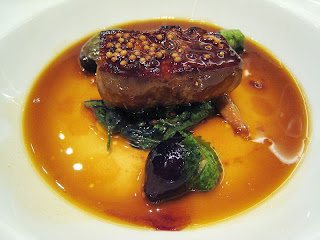
There is a pervasive belief today that grain-fed beef is unhealthy, a belief that I addressed before in this blog ( ) and that I think is exaggerated. This general belief seems to also apply to a related meat, one that is widely acknowledged as a major micronutrient “powerhouse”, namely grain-fed beef liver. Regarding grain-fed beef liver, the idea is that cattle that are grain-fed tend to develop a mild form of fatty liver disease. This I am inclined to agree with. However, I am not convinced that this is such a bad thing for those who eat grain-fed beef liver. In most animals, including Homo sapiens , fatty liver disease seems to be associated with extra load being put on the liver. Possible reasons for this are accelerated growth, abnormally high levels of body fat, and ingestion of toxins beyond a certain hormetic threshold (e.g., alcohol). In these cases, what would one expect to see as a body response? The extra load is associated with high oxidative stress and rate of meta...

Cheese’s vitamin K2 content, pasteurization, and beneficial enzymes: Comments by Jack C.

The text below is all from commenter Jack C.’s notes on this post summarizing research on cheese. My additions are within “[ ]”. While the comments are there under the previous post for everyone to see, I thought that they should be in a separate post. Among other things, they provide an explanation for the findings summarized in the previous post. *** During [the] cheese fermentation process the vitamin K2 (menaquinone) content of cheese is increased more than ten-fold. Vitamin K2 is anti-carcinogenic, reduces calcification of soft tissue (like arteries) and reduces bone fracture risk. So vitamin K2 in aged cheese provides major health benefits that are not present in the control nutrients. [Jack is referring to the control nutrients used in the study summarized in the previous post .] Another apparent benefit of aged cheese is the breakdown of the peptide BCM7 (beta-casomorphin 7) which is present in the casein milk of most cows (a1 milk) in the U.S. BCM7 is a powerful oxidant and i...