Posts

Showing posts with the label grain-fed meat

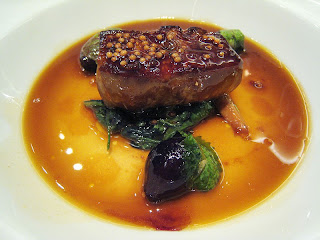
Could grain-fed beef liver be particularly nutritious?
Image
There is a pervasive belief today that grain-fed beef is unhealthy, a belief that I addressed before in this blog ( ) and that I think is exaggerated. This general belief seems to also apply to a related meat, one that is widely acknowledged as a major micronutrient “powerhouse”, namely grain-fed beef liver. Regarding grain-fed beef liver, the idea is that cattle that are grain-fed tend to develop a mild form of fatty liver disease. This I am inclined to agree with. However, I am not convinced that this is such a bad thing for those who eat grain-fed beef liver. In most animals, including Homo sapiens , fatty liver disease seems to be associated with extra load being put on the liver. Possible reasons for this are accelerated growth, abnormally high levels of body fat, and ingestion of toxins beyond a certain hormetic threshold (e.g., alcohol). In these cases, what would one expect to see as a body response? The extra load is associated with high oxidative stress and rate of meta...

Low omega-6 to omega-3 ratio: Grain-fed meats or industrial vegetable oils?

Image
Just a little note on the use of language. Clearly there is no such a thing as grain-fed or grass-fed beef, because one does not feed beef anything. One feeds cattle grain or grass, and then the resulting beef is said to be “grain-fed” or “grass-fed”. It is a manner of speaking that facilitates discourse, which is why it is used here. To compensate for this digression, let me show you a graph, which pretty much summarizes the "punch line" of this post. The graph below shows the omega-6 fat contents of 1 lb (454 g) of grain-fed beef and 1 tablespoon (roughly 14 g) of a typical industrial vegetable oil (safflower oil). As you can see, there is a lot more omega-6 in the much smaller amount of industrial vegetable oil. A gram-for-gram comparison would practically make the beef content bar disappear. It has been estimated that our Paleolithic ancestors consumed a diet with an omega-6 to omega-3 ratio of about 1 . While other estimates exist, the general consensus seems to be that ...